

The roof is one of the most critical components of a home, bearing the responsibility of protecting both the house and its inhabitants against various weather conditions. To ensure the roof's functionality and longevity, regular maintenance and upkeep are essential. Neglecting this task will inevitably lead to issues such as leaks, openings through which small animals can infiltrate, and other problems that will severely compromise your comfort indoors. Therefore, here is the cardinal rule of roof maintenance: inspect your roof twice a year—typically once in the autumn and once in the spring.
Common Issues in Building Roof Maintenance
1. Water Seepage
Water seepage is one of the most common problems encountered during the lifespan of a building's roof. The primary causes include aging, damage, or improper installation of roofing materials; this results in cracks and holes on the roof surface, allowing rainwater to infiltrate the interior. If not repaired promptly, this can lead to internal damage within the building and, in severe cases, even compromise the structural integrity and safety of the entire structure.
2. Material Aging
Over prolonged periods of exposure to natural elements—such as wind, sunlight, rain, and snow—building roofing materials inevitably undergo surface aging. In this aged state, roofing materials become extremely brittle and susceptible to damage or cracking, thereby paving the way for water seepage issues. Older buildings are particularly prone to roof aging problems, posing a significant threat to the safety of the structure.
3. Intrusion of Foreign Objects
Building roofs frequently accumulate various debris, such as fallen leaves, trash, and other loose objects. While these small items may appear insignificant, they can actually have a severe impact on the roof's performance and maintenance requirements. This is because such debris can clog drainage systems, leading to water pooling on the roof surface and subsequently causing water seepage problems. Furthermore, an excessive accumulation of debris increases the structural load on the roof, potentially leading to structural safety hazards.
4. Poor Ventilation
Roof ventilation is another critical issue in the context of building maintenance. Inadequate roof ventilation leads to excessive humidity levels on the roof surface; this, in turn, accelerates corrosion and mold growth, exacerbates the aging of roofing materials, and contributes to the occurrence of problems such as water seepage.
How to Maintain and Repair Your Roof
Inspect for Leaks
Water leakage is one of the most common issues encountered in roof maintenance. It is absolutely essential to conduct regular inspections for leaks—particularly during rainy seasons or following severe storms. Inspect the roof and ceilings for any signs of water leakage, including water stains, mold growth, and visible leak traces. If any issues are detected, they should be repaired as soon as possible to prevent more severe damage.
Roof Cleaning
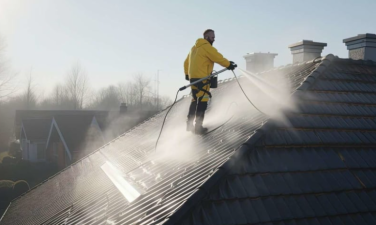
Accumulations of standing water, leaves, weeds, dust, and other debris on the roof can hinder proper water runoff and compromise the roof's drainage system. Clean the roof regularly to ensure the drainage system remains clear and unobstructed. When cleaning the roof, prioritize safety by using appropriate tools and personal protective equipment, and take care to avoid damaging the roof's surface.
Inspecting Roof Tiles and Bricks
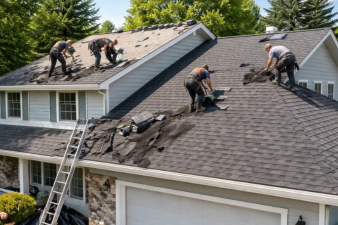
Roof tiles and bricks serve as the roof's primary line of defense and require regular inspection and maintenance. Check the tiles and bricks for any signs of damage, detachment, or looseness; if issues are found, replace or repair them promptly. Additionally, verify the sealing integrity of the tiles and bricks to ensure the roof remains watertight.
Inspecting the Roof Waterproofing Layer
The roof's waterproofing layer is a critical component for ensuring the roof remains dry under various weather conditions. Regularly inspect the integrity and durability of the waterproofing layer, checking specifically for signs of aging, cracking, or damage to the waterproofing materials. If any issues are discovered, repair or replace the waterproofing materials immediately to maintain the roof's waterproofing effectiveness.
Repairing Roof Cracks and Holes
Cracks and holes in the roof can allow water to seep into the interior of the building, causing structural damage and leaks. Regularly inspect the roof for cracks and holes, and take immediate measures to repair them. When repairing cracks and holes, select appropriate materials and methods to ensure a durable and long-lasting repair.
Maintaining Roof Accessories
Roof accessories—such as chimneys, skylights, and ventilation ducts—are closely integrated with the roof structure and require regular inspection and maintenance. Check the seals around chimneys and skylights to ensure there are no leaks. Clean and inspect ventilation ducts to prevent blockages and dust accumulation.
Seeking Professional Assistance
For complex roof repair and maintenance tasks, engaging a professional roofing company is a wise decision. These professionals possess the necessary experience and expertise to provide accurate diagnostics and effective solutions. Ensure you select a reputable company and sign a clear contract with them to guarantee the quality of service and ensure proper protection.
Conclusion
Cleaning and maintaining a roof not only enhances a home's aesthetic appeal and comfort but also extends its lifespan and preserves its value. Therefore, we should prioritize and diligently carry out roof cleaning and maintenance tasks.